
Quick Summary
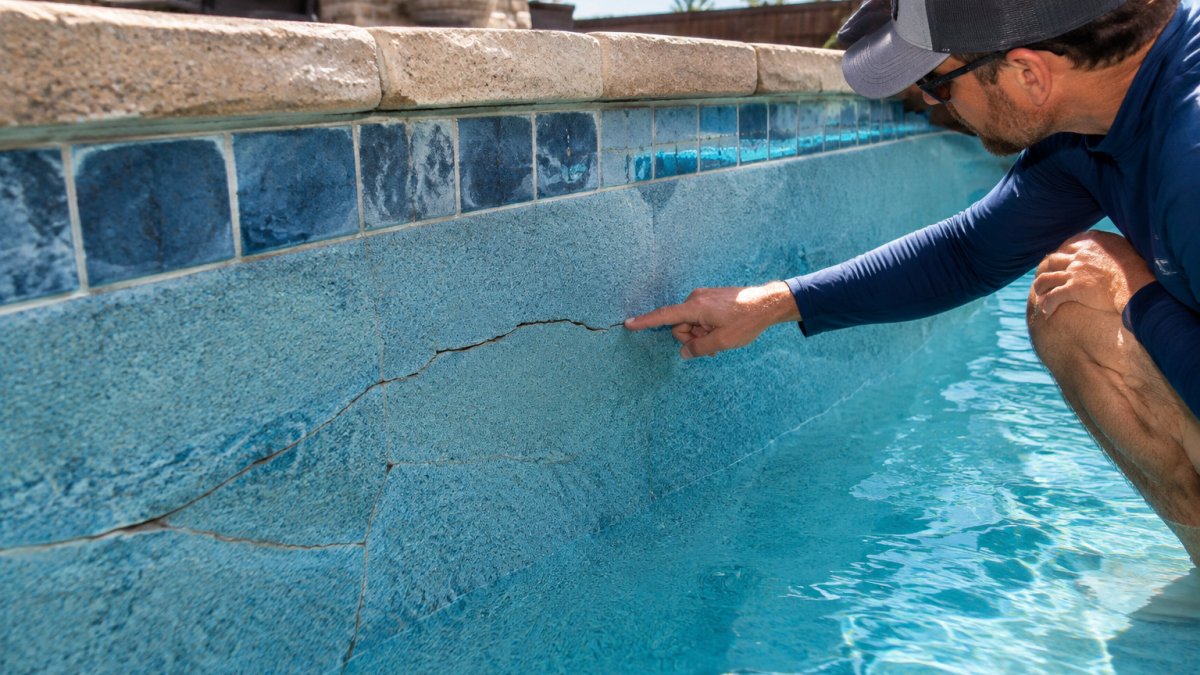
To reduce pool structural cracks in Texas heat, control soil moisture around the shell, keep the water level steady, and monitor cracks on a schedule. Structural cracks differ from surface cracks because they widen, show offset, or keep growing, and those signs call for a professional assessment.
- Ground should slope away from the pool, ideally about a quarter inch per foot for the first several feet.
- Mark the water line and compare the level daily for a week to spot leaks.
- Photograph each crack with a scale reference and measure its width monthly at the same two points.
- Treat a crack wider than about 1/8 inch, or one with visible offset, as structural and get it assessed promptly.
- Water the lawn around the pool on a steady schedule so the soil does not swing between dry and saturated.
Table of Contents
- How to Tell Structural Cracks From Surface Cracks
- How Texas Heat and Amarillo Soil Stress a Pool Shell
- Step 1: Control Drainage and Soil Moisture Around the Pool
- Step 2: Keep Water Levels Steady and Watch for Leaks
- Step 3: Inspect and Monitor Cracks on a Set Schedule
- What to Do When You Find a Crack and How Repairs Are Handled
- Scheduling a Pool Inspection With Reeder Outdoor Living
- Frequently Asked Questions
Can You Prevent Pool Structural Cracks in Texas Heat?
Last Updated: November 5, 2026
How to Tell Structural Cracks From Surface Cracks
Preventing pool structural cracks in Texas heat starts with knowing what you're looking at. Not every crack is a crisis. Some are cosmetic, and some signal that the shell is moving.
A surface crack lives in the plaster or finish. It's usually thin, shallow, and doesn't change over time.
The mechanism is worth understanding. A gunite or concrete shell is rigid, but it sits on soil that is not.
Hairline cracks in plaster and what they usually mean
Hairline cracks are the thinnest marks you'll see. In plaster, many are cosmetic. They appear as the finish cures and settles, and they often stay the same width for years.
Watch for these signs before you relax:
- The crack runs in a straight or random pattern across the finish, not along a wall seam
- Edges look even, with no step or offset
- The mark hasn't grown since your last check
- Water isn't dripping through it
If one of these fails, the crack may reach the shell. Take a photo and log the date.
Crack width, direction, and progression over time
Width and direction tell you the most.
Progression is what matters most. A crack you measured once tells you little. Measure it again on the same schedule, using the same reference point each time.
A practical urgency guide helps you decide how fast to act:
- Stable hairline (under about 1/32 inch, no offset, no growth over 60 days): monitor monthly. These are often treated as cosmetic unless water loss appears.
- Hairline that grows or shows slight offset: schedule an inspection within a few weeks. This is the window where earlier intervention is generally easier to address.
- Crack wider than about 1/8 inch, visible offset, or crack that reappears after patching: treat as structural and get a professional assessment promptly. These are the cracks most likely to be leaking and undermining soil.
- Any crack paired with unexplained water loss, a soft spot in the deck, or a sinking coping stone: stop waiting. This combination points to soil loss under the shell and can escalate quickly in Texas heat.
These thresholds are rules of thumb, not a substitute for inspection.
How Texas Heat and Amarillo Soil Stress a Pool Shell
Texas heat and local soil work against a pool shell in quiet ways. Daytime temperatures push the water and the concrete shell to expand, then cooling at night pulls them back.
Amarillo's clay soil adds another layer. Clay swells when it gets wet and shrinks as it dries.
Heat also speeds up evaporation, so water levels can drop faster than expected.
Qualified note: the exact rate of soil movement depends on your lot, drainage, and soil composition. A soil test or inspection will tell you more than general rules.
Step 1: Control Drainage and Soil Moisture Around the Pool
Water is the biggest variable you can control. Your goal is to keep soil moisture around the pool steady, not soaked one week and bone dry the next. In Amarillo, that is harder than it sounds.
Start by walking the yard after a heavy rain. Look for standing water, soft spots, or puddles near the deck and coping. Then check where water runs.
Practical checks:
- Confirm the grade slopes away from the pool shell and deck, ideally about a quarter inch per foot for the first several feet
- Redirect downspouts and sprinkler heads that spray near the pool
- Keep irrigation zones from soaking the soil right beside the shell
- Fix low spots that collect water after storms
- Check that the deck-to-coping joint and any expansion joints are intact, since water entering there reaches the shell
Watch out: over-watering a lawn near the pool can saturate the soil just as much as a storm.
Managing soil moisture through Amarillo's dry and wet cycles
The goal is consistency, not dryness. During a dry Panhandle summer, the soil around a pool can shrink enough to leave a gap at the deck edge. During a wet spring, that same soil can swell and push against the shell. You cannot control the weather, but you can soften the swing.
A few habits help:
- Water the lawn around the pool on a steady schedule rather than in heavy bursts, so the soil does not go from bone dry to saturated
- Keep a consistent watering pattern during drought instead of letting the soil crack and then flooding it
- Direct roof runoff and gutter discharge well away from the pool area
- Avoid planting large trees close to the shell, since roots can seek moisture and contribute to soil movement
If you see a visible gap between the deck and the coping, or the deck has settled away from the pool, that is a sign the soil has moved. Have it assessed before the next wet season.
Construction-stage prevention and curing
If a pool is being built or replastered, the choices made before it goes into service matter as much as anything you do afterward. Site preparation, soil compaction, and drainage are the foundation of a crack-resistant shell.
Key construction-stage points to ask about:
- Soil is compacted in lifts before the shell is placed, not dumped and smoothed
- The site is graded so water drains away from the shell from day one
- Gunite or concrete is cured under proper moisture conditions rather than drying too fast in the heat
- The pool is filled on a sensible schedule after curing, not left empty through temperature swings
- Expansion joints and deck joints are placed to accommodate movement
A pool that is cured too quickly in hot, dry weather can develop shrinkage cracks before it ever holds water. For a deeper look at how soil and construction interact, see the guide on building a pool on expansive soil in Texas.
Step 2: Keep Water Levels Steady and Watch for Leaks
A steady water level is one of the simplest protections against shell stress. Heat makes evaporation climb, so the water line will drop faster in summer. A small drop is normal.
Check your water level on a set schedule. Mark the level on the tile or skimmer with tape, then compare it each day for a week.
- Note the level at the same time each day
- Compare the drop to recent weather and heat
- Check equipment, plumbing, and the skimmer for wet spots
- Call a professional if the drop continues without a clear cause
Tracking the water line is one of the simplest ways to catch a leak before it stresses the shell, and the steps below spell out how to do it.
| Step | What to do | Timing |
|---|---|---|
| Mark the level | Tape the water line on the tile or skimmer | Once, before the check |
| Compare daily | Note the level at the same time each day | Daily for one week |
| Account for heat | Compare the drop to recent weather and heat | Each comparison |
| Inspect equipment | Check equipment, plumbing, and skimmer for wet spots | If the drop is large |
| Call a pro | Get help if the drop continues without a clear cause | If the drop persists |
Step 3: Inspect and Monitor Cracks on a Set Schedule
Cracks change slowly, so a schedule beats a one-time look. Choose a date each month and stick to it.
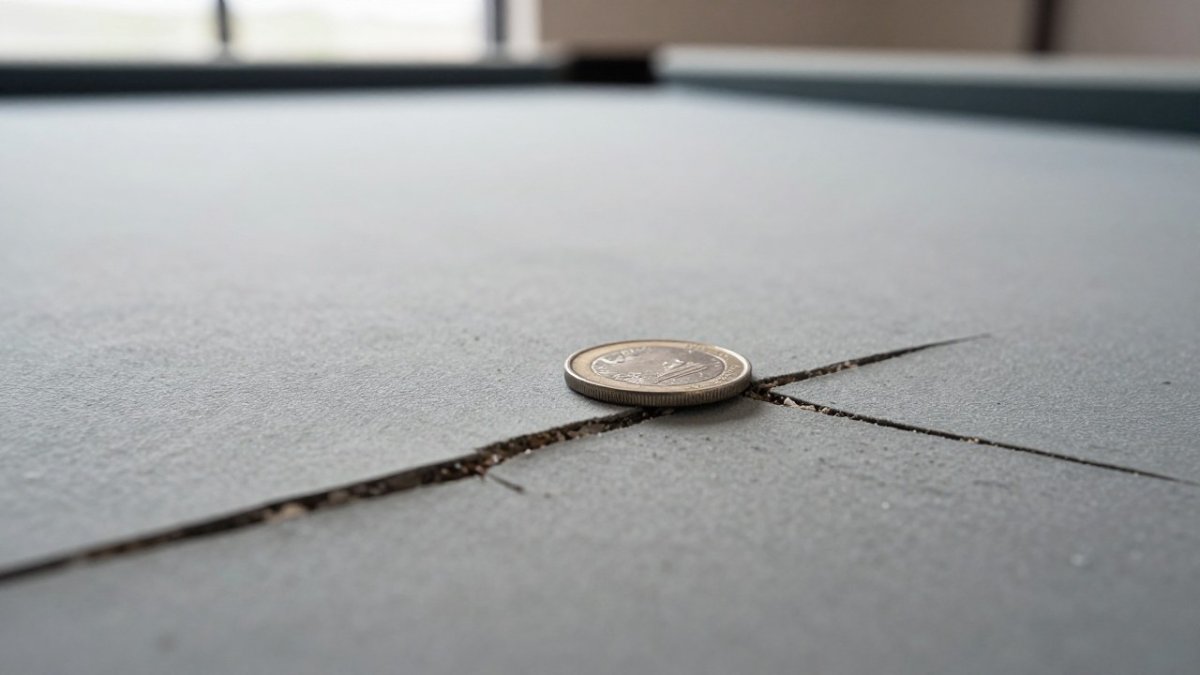
At each check, photograph every known crack with a ruler or coin beside it for scale. Record the width, the location, and whether the edges are even. Keep the photos in one folder so you can compare them over time.
Your monthly checklist:
- Photograph each crack with a scale reference
- Measure width at the same two points each time
- Note any offset or step between the two edges
- Check for new cracks, especially near corners and the coping
- Log any water loss alongside the crack records
What to Do When You Find a Crack and How Repairs Are Handled
If a crack is growing, offset, or leaking, stop waiting and get it assessed. Repairs depend on the cause. Some cracks need a surface patch or plaster repair.
A professional repair starts with finding the root cause. Reeder Outdoor Living's pool rehab and repair services cover cracked pool shells, and the page also lists tile cleaning in Amarillo and Dallas-Fort Worth.
Before you commit to any repair, ask how the crack will be assessed, which method is recommended, and what follow-up monitoring is included. You can see examples of the business's work on our project gallery.
If the cause is unclear, it helps to start with the basics. Learn more about how to prevent pool cracks in Texas clay soil for a deeper look at soil-specific prevention.
Scheduling a Pool Inspection With Reeder Outdoor Living
When a crack is growing, a leak is suspected, or you simply want a second opinion, a professional inspection gives you a clear answer. Reeder Outdoor Living offers pool service, repair, and maintenance, along with tile cleaning.
To get started, request a free consultation and describe what you're seeing. Include your photo log if you have one, since dated records make the assessment faster. Use the form on the site to set a time.
Frequently Asked Questions
How do I tell if a pool crack is structural?
Structural cracks usually run through the full thickness of the shell or coping and tend to widen, offset, or let water escape over time. Surface cracks are often limited to the plaster or finish and stay the same width. Check whether edges of the crack are uneven or displaced, whether the crack keeps growing between inspections, and whether the pool is losing water faster than evaporation explains. If any of these apply, have a qualified pool professional evaluate the crack before you assume it is cosmetic.
Are hairline cracks in pool plaster normal?
Fine hairline cracks in plaster are common, especially in older pools and in hot climates where surfaces expand and contract during the day. Many remain cosmetic. The concern is change: a hairline crack that lengthens, widens, or starts to show roughness or displacement at its edges warrants attention. Mark the ends of the crack with a pencil or tape and check it monthly so you can see whether it is progressing.
How can Texas heat contribute to pool structural cracks?
Intense summer heat and fast temperature swings cause the pool shell, plaster, tile grout, and coping to expand and contract at different rates. Combined with dry spells that shrink the soil under the pool, this movement can stress joints and create cracks. Keeping the surrounding soil evenly moist and shading exposed hardscape can reduce the swings that drive this movement.
What should I do if I find a crack in my pool?
Photograph and measure the crack, mark its ends, and note the date. Check the water level over several days to see whether loss is occurring. Avoid patching a crack you do not yet understand, since a cosmetic fix can hide a structural problem. Contact a qualified pool builder or service provider, such as Reeder Outdoor Living, for an inspection and a repair recommendation. Current pricing depends on the size of the crack, its cause, and the repair method, so request a quote from the company directly.
Preventing pool structural cracks in Texas heat comes down to three habits: control the water around the shell, keep the water level steady, and monitor every crack on a schedule. Reeder Outdoor Living is here to help Amarillo pool owners catch problems early and keep the shell sound for years to come.
